
There is a lot of difference between a great investment in machinery or infrastructure and a bad investment. We can get quite technical and look at measures such as return on investment and look at factors like labour hours saved and total cost of ownership. This GRDC factsheet looks at some of these methods.
I want to talk about one measure. It’s pretty simple. It’s usage. Basically anything you use becomes good value, anything under utilised is not.
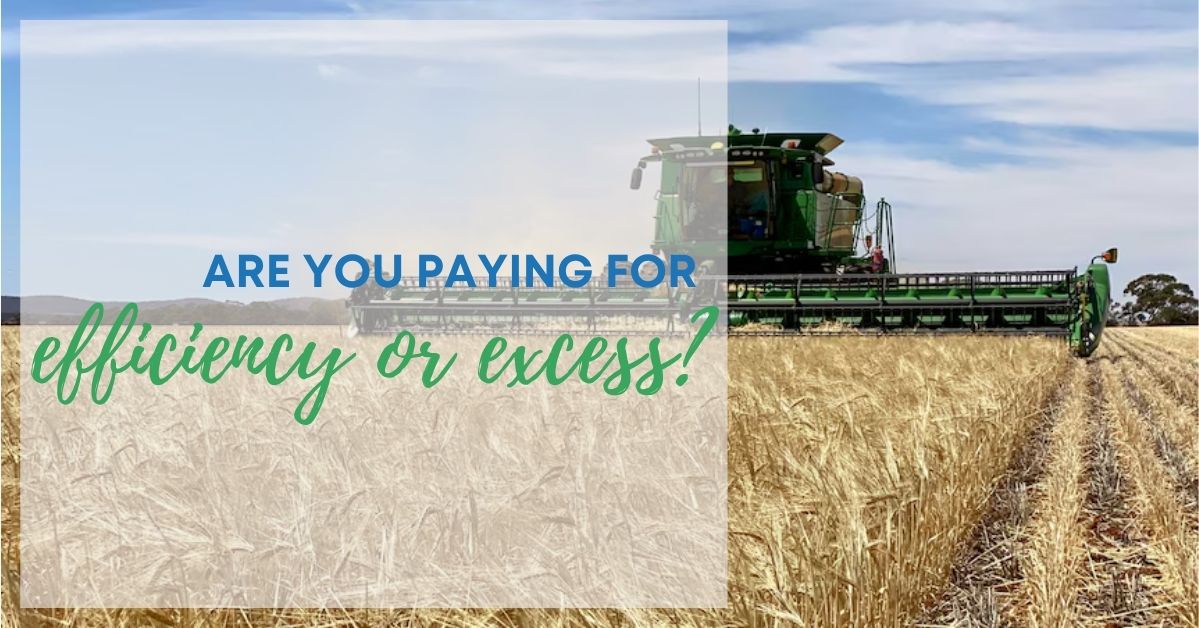
When buying new machinery the possible hours used (or head of stock throughput or hectares covered) is a major driver of the relative worth of the investment. I am trying to concentrate the bulk of our machinery investment in our cropping operation on things that are used multiple times a season over the whole place (seeders, sprayers, spreaders), rather than once a year for only a portion of the cropping area or tonnes grown (headers, mother bins, trucks, windrowers, balers, tillage equipment, spot spraying etc). It’s not to say that those things aren’t important, it’s just that the relative size of our operation means that the low hours used tips the balance back towards less investment in these areas or contracting being a more economical option.
Every enterprise is different as is every industry. In a livestock enterprise it might be handling equipment and yards over a shed which is used once a year. It is tempting in the heat of the moment to make one frustrating job easier, but long term, what investments will result in the highest labour and cost savings?
Re-examining things you might currently have on hand is also a useful exercise.
Around all farms there are many items that have been replaced, have been superseded by new technology or are just a smaller version of what is currently in use. Online sales for second-hand machinery make buying and selling much easier than in the past. Rationalising a bit of gear has many benefits including reducing maintenance costs, reducing insurance costs and increasing shed space.
More recently purchased properties may have infrastructure that falls into the same category. The big one here – duplication of infrastructure on farms that are side by side, and livestock infrastructure on cropping properties. I have also seen people selling on transportable homes when a realistic (not romantic) assessment of the needs of the farm business and the farm family for accommodation is undertaken.
The principle holds true for the “toys” also. Caravans, ski boats, jet skis, camper trailers etc are great fun. If they are regularly used you are getting a return on your investment. If they sit in the shed and generate feelings of regret and get touched up by the mice, perhaps it’s time to move them on. Nothing wrong with buying back in when your life stage or circumstances change.
It might be worth a chat to your accountant about possible timing of sales as there may be some tax implications. Remember though, our primary reason for business is profit maximisation not tax minimisation.
Share the love
[Sassy_Social_Share]
